Jesus Cross Tree Graphics for Faith-Based Crafts
Evaluating Spiritual Aesthetics for Artisan Brand Identity
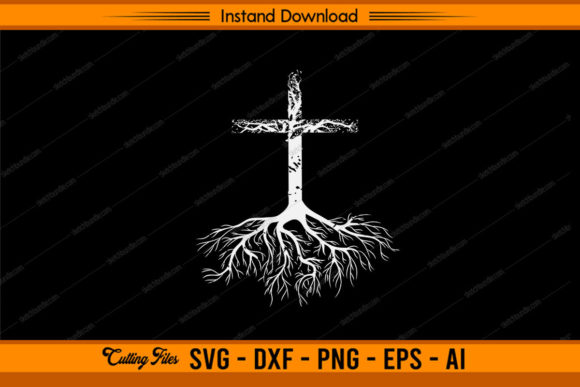
As a brand designer specializing in local business identity and packaging, my first impression of the Jesus Cross Tree asset is one of organic reverence. It does not feel like a generic religious clipart; rather, it possesses a hand-drawn quality that bridges the gap between spiritual symbolism and natural aesthetics. For a small business owner, specifically within the handmade soap, candle, or faith-based gift niche, this graphic suggests a brand personality that is grounded, peaceful, and intentionally crafted. The visual weight strikes a balance between bold recognition and delicate artistry, making it suitable for businesses that want to communicate faith without appearing overly corporate or stark. In the context of modern design, this asset leans towards a rustic-elegant mood, perfect for artisans who merge their personal beliefs with their commercial offerings.
When evaluating this graphic design asset for a real-world project, such as a boutique Christian bookstore or an organic skincare line with a mission-driven focus, the versatility becomes apparent. The integration of the cross and tree motifs creates a natural focal point that can anchor a logo design or serve as a secondary brand mark. For product packaging, specifically kraft paper bags or matte-finish boxes, the Jesus Cross Tree provides immediate emotional resonance. It signals to the customer that the product inside carries values beyond mere utility. This is crucial for small business branding where trust and shared values are often the primary differentiators against mass-market competitors.
Strategic Applications in Packaging and Promotional Visuals
In a practical commercial design scenario, I have found that assets like this excel when used as more than just a decoration; they must function as part of the visual hierarchy. For a candle brand, I would utilize the Jesus Cross Tree as a central element on the product label, perhaps enclosed in a circle or arch to frame the scent name. This transforms the illustration into a badge of authenticity. For social media graphics, the PNG version allows for seamless layering over textured backgrounds or lifestyle photography, creating cohesive marketing visuals that reinforce brand recognition across digital platforms.
Beyond labels, this asset is highly effective for unboxing experiences. Using the SVG design with a cutting machine to create custom vinyl stickers for tissue paper or thank-you cards adds a tangible layer of professional branding. These touchpoints matter immensely for handmade businesses. When a customer receives a package adorned with a consistent symbol, it elevates the perceived value of the item. Furthermore, for seasonal campaigns like Easter or Christmas, this graphic serves as a versatile hero image for website banners and email newsletters, maintaining thematic relevance while staying true to the core brand identity.
- Product Labels: Use as a background watermark or primary icon to establish immediate category recognition.
- Retail Signage: Scale up for window decals or shelf talkers to guide customers in a physical boutique setting.
- Digital Content: Incorporate into Canva templates for Instagram stories or Pinterest pins to maintain visual consistency.
- Print Collateral: Feature on business cards or postcards to leave a lasting impression after a market stall interaction.
Enhancing Customer Trust Through Professional Presentation
The true value of incorporating the Jesus Cross Tree into your design ecosystem lies in its ability to strengthen customer trust through polish and consistency. A disjointed brand identity confuses buyers, but a recurring, well-executed motif creates familiarity. When this graphic is applied correctly, it improves shelf appeal by breaking up text-heavy layouts with meaningful imagery. For food businesses or bakeries using this for special holiday menus, the illustration softens the commercial transaction, inviting the patron into a narrative of community and faith.
Moreover, high-quality printable design elements signal professionalism. Customers subconsciously associate crisp, intentional graphics with product safety and quality. If you are selling consumables like baked goods or topicals, the clarity of your branding directly impacts purchase confidence. By utilizing print-ready files, you ensure that whether the design appears on a tiny 2-inch sticker or a large promotional poster, the lines remain sharp and the message remains clear. This consistency across all touchpoints—from web design to physical packaging—is what separates hobbyists from established local brands.
Navigating Design Constraints and Visual Balance
While the Jesus Cross Tree is versatile, experienced designers know that restraint is key to effective editorial design. This asset works best when given breathing room. It should be avoided in areas dense with legal text, ingredient lists, or barcode zones, as the intricate details of the tree branches could compete with essential information, reducing legibility. Similarly, for ultra-minimalist luxury brands, this specific aesthetic might feel too ornate unless balanced with ample negative space and refined typography.
I also advise caution when using this on low-contrast backgrounds. While the design is beautiful, placing dark detailed lines over a busy photographic background without a solid backing or drop shadow will result in visual mud. Always prioritize readability and clarity. Additionally, avoid stretching or distorting the proportions of the graphic. Maintaining the original aspect ratio preserves the integrity of the illustration and prevents the brand from looking amateurish. In formal corporate contexts unrelated to faith or nature, this asset may send mixed signals, so always align the visual tone with your specific target audience's expectations.
Technical Pre-Press Checklist for Commercial Success
Before committing the Jesus Cross Tree to a production run, rigorous testing is non-negotiable. As a designer, I recommend the following technical validation steps to ensure your investment translates into professional results:
- Mockup Testing: Never approve a design based on screen viewing alone. Print the Jesus Cross Tree at actual size on your intended packaging material to check for line thickness and detail retention.
- Format Verification: Confirm you are using the correct file type. Utilize the SVG design for cutting machines and scalable vector work, and the high-resolution PNG for raster-based applications like web banners or photo overlays.
- Typography Pairing: Test the graphic beside your chosen fonts. It typically pairs beautifully with classic serifs or organic handwritten scripts but may clash with geometric sans-serifs if not spaced correctly.
- Color Mode Check: Verify color profiles. Ensure your files are converted to CMYK for physical printing to avoid dullness, while keeping RGB versions ready for social media graphics.
- Licensing Review: Crucially, confirm the commercial license terms. Ensure you have the right to use the asset on products for sale, not just for personal crafts, to protect your business legally.
- Cutting Machine Calibration: If using Cricut or Silhouette, perform a test cut on scrap material. Intricate branch details may require adjusted blade depth or slower speeds to prevent tearing.
Ultimately, the Jesus Cross Tree represents more than just a digital download; it is a foundational element for storytelling in faith-based commerce. Whether you are launching a new line of devotional journals or rebranding a family-owned florist shop, this asset offers the warmth and specificity required to connect deeply with your community. By approaching its application with strategic intent and technical diligence, you transform a simple graphic into a powerful vessel for your brand’s mission and identity.