Jesus is the Anchor SVG: Graphics for Faith Crafts
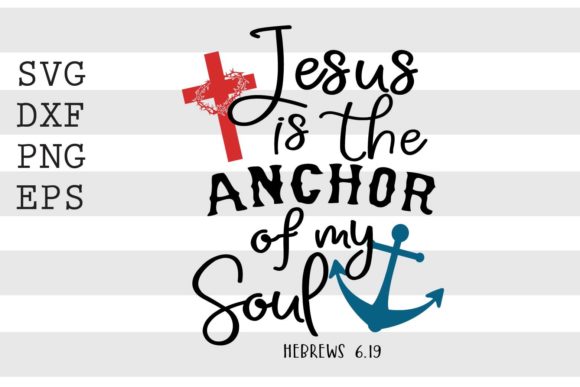
As a digital publisher and blog designer, I constantly evaluate graphic design assets not just for their aesthetic appeal, but for their functional utility in a real content workflow. When I first opened the Jesus is the Anchor SVG file, my immediate assessment was focused on its versatility across both digital and physical mediums. While the product description highlights its suitability for merchandise like mugs and apparel, my editorial eye sees a powerful visual metaphor that can anchor an entire content strategy for faith-based publishers. The design strikes a balance between traditional religious symbolism and clean, modern lines, making it appropriate for lifestyle blogs, devotional sites, and Christian education platforms without feeling dated or overly ornate.
The mood this asset creates is one of stability and peace. In editorial design, typography and iconography must work together to set the emotional tone before the reader consumes a single word of text. This specific graphic achieves a sense of groundedness that is essential for niches dealing with spiritual growth, mental health from a biblical perspective, or seasonal devotionals. It avoids the cluttered, distressed look often found in generic religious clip art, opting instead for a crisp vector style that scales beautifully. For a publisher, this means the asset maintains integrity whether it is used as a subtle watermark on a digital guide or blown up as a hero image for a website header.
Integrating Faith-Based Visuals into Editorial Workflows
In my daily publishing workflow, consistency is key to building brand identity. The Jesus is the Anchor SVG serves as more than just a standalone illustration; it functions as a modular design element. When creating featured images for blog posts, I often struggle to find graphics that convey theological concepts without relying on stock photography of people. This vector asset solves that problem by providing a symbolic focal point. I can easily import this SVG into a Canva template, adjust the color palette to match my site’s current seasonal theme, and pair it with bold serif typography to create a cohesive series of article thumbnails.
Beyond standard blog graphics, this asset has significant potential for content marketing and monetization. As a creator of digital products, I see immediate application in designing covers for printable Bible study journals or prayer trackers. Because the file is a true vector, I can manipulate the line weight to ensure it prints crisply on home printers for a printable design product, or scale it down for intricate details on a premium eBook cover. For those involved in affiliate marketing for Christian books or curriculum, using this custom graphic in promotional banners establishes a level of professional trust that generic affiliate buttons simply cannot achieve. It signals to the reader that the recommendation comes from a curated, thoughtful source rather than a faceless sales page.
Enhancing Reader Trust Through Professional Presentation
Visual hierarchy directly impacts user engagement and dwell time. When a reader lands on a devotional post, the first impression determines whether they stay to read or bounce back to search results. Using the Jesus is the Anchor SVG as a recurring visual motif helps establish a stronger visual identity. It acts as a cognitive cue, signaling to returning visitors that they are in a safe, familiar space. This is particularly effective for newsletter headers and social media graphics where brand recognition must happen instantly within a crowded feed.
I have found that incorporating high-quality design assets like this improves the perceived value of free content. If you offer a lead magnet, such as a "7-Day Peace Challenge" PDF, utilizing this anchor graphic on the cover elevates the resource from a simple document to a polished digital download. This perceived quality increases conversion rates because users associate professional design with authoritative content. Furthermore, for small business branding within the faith niche, this graphic bridges the gap between commercial viability and ministry-focused messaging, allowing entrepreneurs to sell products that feel authentic rather than purely transactional.
Strategic Placement and Performance Optimization
While the Jesus is the Anchor SVG is versatile, strategic placement is necessary to maximize its impact. It performs exceptionally well in hero sections, category archive thumbnails for "Faith" or "Devotional" pages, and as decorative accents in sidebar widgets. For Pinterest marketing, the vertical aspect ratio of many pin templates accommodates this central icon perfectly, leaving ample negative space for compelling headlines. The simplicity of the anchor shape ensures it remains legible even when overlaid on textured backgrounds or photographic elements in Pinterest pin designs.
However, publishers must exercise caution in certain contexts. Avoid using this graphic in small mobile navigation menus or footer icons where the intricate details may blur. It also requires careful handling in corporate or highly academic theological contexts where a more minimalist or typographic approach might be preferred over illustrative symbols. Additionally, always test contrast ratios. A white anchor on a pale pastel background may fail accessibility standards, alienating visually impaired readers. In my testing, this asset works best against deep navy, charcoal, or warm cream backgrounds to maintain readability and emotional resonance.
Publisher Notes: Technical Checks and Licensing
Before deploying the Jesus is the Anchor SVG in any live project, I recommend a rigorous technical review. Always preview the graphic inside your actual blog layout, not just in isolation. Check how it interacts with your H1 and H2 headings; does it complement your chosen serif or sans-serif fonts, or does it clash? Test the file size for web performance. Although SVGs are generally lightweight, complex vectors can sometimes contain unnecessary metadata that slows down page load times. Use an SVG optimizer to compress the file without losing quality, ensuring your Core Web Vitals remain green.
Crucially, verify the commercial license terms before using this asset in monetized environments. If you plan to use it on a site with display ads, in a paid course, or on merchandise for sale, you must confirm that your license covers commercial design use. Many creative marketplace listings differentiate between personal and commercial rights. Assuming you have clearance can lead to legal issues later. Finally, test the graphic in black and white. A strong modern design should hold its form without color. If the anchor loses definition when desaturated, it may not be suitable for print applications like embossing or single-color screen printing on t-shirts and mugs. By conducting these checks, you ensure that the Jesus is the Anchor SVG serves as a reliable, professional asset in your publishing toolkit, supporting both your creative vision and your business goals.