Jesus Western Sublimation: A Designer’s Embroidery Review
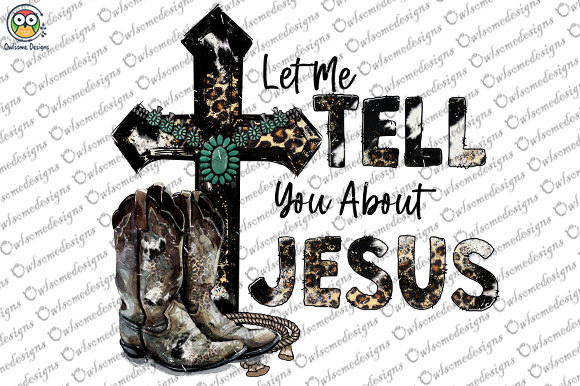
As a professional designer who bridges the gap between digital graphics and tactile needlework, I approach every new asset with a critical eye. When evaluating Jesus Western Sublimation for potential use in embroidery projects, my first thought is always about translation. How does this high-resolution 300 DPI PNG transition from a screen to fabric? This design carries a distinct aesthetic that merges faith-based imagery with rustic, western motifs. It evokes a sense of heritage, warmth, and rugged spirituality that resonates deeply with specific demographics. However, because this product is explicitly a sublimation graphic without native SVG support due to shadow complexities, using it as a reference for a machine embroidery design requires intentional adaptation and technical awareness.
Translating Raster Graphics to Stitch Logic
The most crucial detail in the product description is that SVG files cannot be created because the design contains shadows that prevent clean parsing. For an embroiderer, this is a significant signal. It tells me that Jesus Western Sublimation relies on pixel-level shading and gradients rather than clean vector paths. You cannot simply auto-digitize this file and expect a professional result. The shadows that make it beautiful on a t-shirt via heat press will turn into muddy, dense blocks of thread if not manually interpreted.
When I review this graphic for a real-world project, I see it as a visual blueprint rather than a ready-to-stitch embroidery file. To create a successful handmade product, you must manually trace the core elements. The western typography and religious iconography likely feature distressed edges or gradient fades. In embroidery, these must be converted into distinct stitch types. Smooth gradients should become long-and-short fill stitch areas or blended thread colors, while sharp outlines require precise satin stitch or running stitch borders. Understanding this limitation upfront saves hours of frustration and prevents broken needles caused by excessive stitch density in shadowed areas.
Real-World Application: The Custom Denim Jacket Back Panel
To truly test the viability of Jesus Western Sublimation, I envision applying it to a heavyweight denim jacket back panel intended for a boutique client. Denim provides the perfect textured canvas for western themes, but it also presents challenges. The goal here is to capture the spirit of the original PNG while ensuring the finished product feels premium and durable.
In this scenario, I would not attempt to replicate every pixel of the sublimation art. Instead, I would isolate the central figure and the primary western decorative elements. For the text, which may have a vintage, worn look in the PNG, I would choose a complementary western-style embroidery font that stitches out cleanly. Trying to digitize distressed raster text often results in jagged, unprofessional lettering. By adapting the design, the custom apparel retains the intended mood without sacrificing structural integrity. The resulting jacket becomes a unique piece of wearable art that honors the source material while leveraging the strengths of machine embroidery.
Navigating Fabric Textures and Hoop Constraints
Western aesthetics often pair with varied materials like canvas, leather, burlap, and denim. Each substrate interacts differently with thread. When planning an embroidery project based on this graphic, consider how fabric texture affects detail. On a smooth cotton twill cap, you can achieve finer details from the Jesus Western Sublimation artwork. However, on a nubby canvas tote bag design, small details will get lost in the weave.
I strongly advise testing your adapted design on scrap fabric first. If you are working on a baby embroidery item like a nursery blanket, the design must be softened. The bold western lines might need to be simplified to prevent the fabric from becoming too stiff or heavy for infant use. Conversely, for commercial embroidery on workwear or aprons, you may need to increase column widths and underlay to ensure the design stands up to industrial washing. Always confirm your hoop size before finalizing placement; resizing a complex raster-inspired design after digitizing can distort proportions and ruin the western balance.
Strategic Use Cases for Makers and Sellers
For Etsy seller accounts and small shop owners, versatility is key. While Jesus Western Sublimation is a digital graphic, its thematic strength makes it valuable for multiple revenue streams. Beyond direct embroidery, consider using the high-resolution PNG for printable mockup creation. Showing customers what a western faith design looks like on a sweatshirt or pillow cover helps drive sales, even if the final fulfillment method differs.
If you sell digital embroidery file adaptations, transparency is vital. Clearly state that your stitch file is an artistic interpretation inspired by the sublimation art, not a direct conversion. This builds customer trust and manages expectations regarding detail levels. For those creating personalized gift items, this design theme works exceptionally well for holiday gifts, wedding party jackets, or memorial pieces where the fusion of faith and regional culture holds personal significance. Just remember to verify licensing terms for both the original PNG and any fonts used in your embroidery adaptation before listing small shop product items commercially.
Technical Precautions and Quality Control
Because we are working from a raster source, certain areas demand extra caution. Avoid placing intricate details from Jesus Western Sublimation near seams, collars, or curved surfaces like hat brims where registration issues are common. Dark fabrics present another challenge; since the original PNG likely assumes a light background for sublimation, you must plan for white underlay or color adjustments when stitching on black or navy garments.
Stabilizer choice is non-negotiable. The density required to mimic western textures can cause puckering on lightweight fabrics. Use appropriate cut-away or tear-away stabilizer based on your base material weight. Before running a full production batch for your craft business, stitch out a sample to check thread tension and color contrast. Sometimes, what looks like a subtle shadow on screen translates to a harsh line of dark thread on fabric. Adjusting thread colors to softer tones can maintain the design's spiritual warmth without looking aggressive.
Final Thoughts on Design Adaptation
Jesus Western Sublimation offers a rich visual foundation for creators willing to do the interpretive work. It is not a plug-and-play solution for embroidery machines, but rather a high-quality inspiration source for skilled digitizers and thoughtful makers. By respecting the technical differences between sublimation ink and embroidery thread, you can transform this graphic into stunning design assets that resonate with buyers seeking authentic, faith-centered western style. Whether you are crafting a single embroidered patch or launching a full collection of sweatshirt embroidery, success lies in honoring the medium's limitations while celebrating the design's inherent character. Always prioritize stitch quality over pixel-perfect replication, and your finished handmade products will reflect true professional craftsmanship.